

Best Multi-Functional Tools for Camping 2026
Table of Contents
- Quick Comparison: Best Multi-Functional Tools for Camping 2026
- How to Choose a Camping Multitool: Key Features That Matter
- Lightweight Multitools for Backpacking: Weight-to-Utility Ratio
- Top Multi-Functional Tools for Camping 2026: Picks for Every Camper
- Multitool Maintenance and Care Tips for Long-Term Performance
- Camping Repair Kit Essentials: What to Pack Alongside Your Multitool
- Legal Considerations for Traveling with Multitools
- Conclusion
- Frequently Asked Questions
Last Updated: September 16, 2026
Quick Comparison: Best Multi-Functional Tools for Camping 2026
The best multi-functional tools for camping 2026 balance blade steel, lock reliability, and weight-to-utility ratio. This guide from Outdoor Wilderness Supply breaks down what matters.
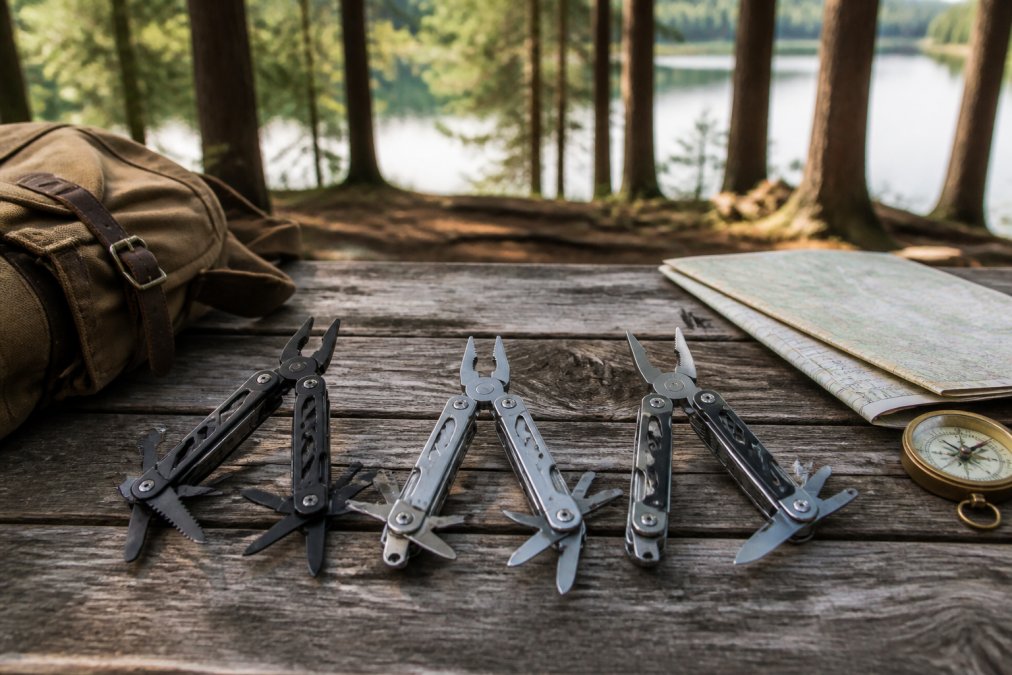
| Category | Tool Type | Key Strength | Best For |
|---|---|---|---|
| Best Overall | Full-size 18-in-1 | Balanced weight and capability | Car campers, weekend trips |
| Best Budget | Compact 12-in-1 | Light, low cost, pocket clip | Beginners, day hikes |
| Best Survival | Heavy-duty 21-in-1 | Durability under hard use | Bushcraft, emergency kits |
How to Choose a Camping Multitool: Key Features That Matter
Choosing a camping multitool comes down to three decisions: blade steel, locking mechanism, and which implements you need.
Blade Steel and Locking Mechanism
Blade steel determines edge retention and corrosion resistance. High-carbon stainless holds an edge longer but needs care; cheaper stainless resists rust but dulls faster. For wet or coastal trips, prioritize corrosion resistance.
Pliers, Wire Cutters, and Bit Drivers
Spring-action pliers are the most-used feature on a camping multitool: they pull hot pots off a fire grate, straighten bent stakes, and tighten stove fittings. Wire cutters in the jaws handle snagged guy lines.
Lightweight Multitools for Backpacking: Weight-to-Utility Ratio
Lightweight multitools for backpacking should weigh under roughly 200 grams and cover at least six core functions. Anything heavier must justify itself with a task you'll actually perform on trail.
How to Run the Math on Your Own Shortlist
- Weigh the tool on a kitchen scale, not the spec sheet, manufacturers often list weight without the sheath, clip, or bit kit.
- Mark the implements you used on your last three trips. A corkscrew you've never deployed counts as zero.
- Divide total weight by used implements. Under 20 grams per useful function is excellent; over 30 means dead weight.
- Add accessory weight. A 40-gram bit kit on a 170-gram tool changes the ratio more than most buyers expect.
Weight Tiers and What They Buy You
- Ultralight (under 100 grams): blade, scissors, and a bottle opener only; best for fastpacking and thru-hikes where every ounce is negotiated.
- Mid-weight (100-200 grams): adds spring-action pliers and a bit driver; the sweet spot for most backpackers because pliers unlock stove, lantern, and tent-stake repairs.
- Full-size (200 grams and up): handle scales and a larger blade; better suited to base camp than a moving pack.
The Specs That Actually Move the Number
Blade steel drives weight as much as tool count. A high-carbon stainless blade holds an edge longer but runs thinner to save grams; a softer, corrosion-resistant stainless can be ground thicker for the same edge life. For wet or coastal trips, prioritize corrosion resistance, a rusted blade you cannot sharpen in the field is heavier than the steel you saved.
A Worked Comparison
Say you're choosing between two tools for a three-day trip. Tool A weighs 168 grams, carries 14 implements, and you'll use 7, 24 grams per useful function. Tool B weighs 96 grams, carries 9 implements, and you'll use 6, 16 grams per useful function. Tool B wins on ratio but lacks spring-action pliers for a stove repair.
When to Leave It Behind
On a single overnight with no stove repair, gear failure risk, or fire, a 60-gram folding knife covers the same jobs as a 170-gram multitool at a third of the weight. The ratio only justifies a multitool when the pliers, drivers, or scissors have a real job on your itinerary.
Top Multi-Functional Tools for Camping 2026: Picks for Every Camper
The best multi-functional tools for camping 2026 fall into three roles, and matching the tool to the role matters more than chasing the highest tool count.
Best Overall: Full-Size 18-in-1 Multitool
The full-size 18-in-1 is our top pick for most campers because it balances capability against weight. It carries spring-action pliers, wire cutters, a serrated blade alongside a plain edge, a bit driver, and a can opener in a frame that still fits a pocket clip. It shines across car camping, base camp, and river trips, the larger blade handles food prep and kindling, the pliers handle stove and lantern repairs, but it's heavier than a compact option, so strict ultralight backpackers may leave it behind.
Best Budget: Compact 12-in-1 Multitool
The compact 12-in-1 is the best budget-friendly option for beginners and day hikers. It covers the essentials, blade, scissors, bottle opener, small pliers, pocket clip, without the weight or cost of a full-size frame. What most reviews miss: a budget tool lives or dies by pivot tension.
Best for Survival: Heavy-Duty 21-in-1 Multitool
The heavy-duty 21-in-1 is built for survival and heavy-duty tasks: bushcraft, emergency kits, and gear that must not fail. Thicker blade stock, a strong safety lock, and a full bit driver set define this category. The honest drawback is weight, a heavy-duty frame is a base-camp tool, not a pocket carry.
Multitool Maintenance and Care Tips for Long-Term Performance
Most guides stop at "clean and oil it." That advice fails in the field, where you have no workbench, vise, or running water. This section covers the maintenance and field-repair routine that keeps a multitool working across a full season of trips.
The Four-Habit Baseline
Multitool maintenance comes down to four habits: clean, dry, lubricate, and sharpen. Skip them and even quality stainless steel will stiffen, rust, or lose its edge within a season. The order matters, oiling a dirty pivot traps grit and accelerates wear.
Field Cleaning Without a Sink
After every trip, wipe the frame and implements with a dry cloth, then clear grit from the pivot with a soft brush, grit in the pivot is the leading cause of stiff deployment. In the field, a stiff-bristled toothbrush or small brass-bristle brush works: work it into the pivot channel with the tool half-open, then cycle each implement to push debris out.
Drying and Lubricating
Dry the pivot before you oil it, water trapped under oil sits against the steel and starts corrosion from the inside. Compressed air is ideal but rarely available at camp; a few sharp cycles of each implement plus a dry cloth gets most moisture out. Apply a light coat of oil to the pivot and lock surfaces, then work each implement open and closed to distribute it.
Sharpening in the Field
Match the sharpening angle to the blade grind. Most production multitool blades run a 20-degree-per-side edge, so a guided sharpener set to 20 degrees or a few passes on a fine stone at a consistent angle restores a working edge. A serrated blade needs a round file or tapered diamond rod, not a flat stone, which flattens the serrations.
Field Repair: The Three Failures You Can Fix at Camp
- Loose pivot. If the blade or pliers develop side-to-side play, tighten the pivot screw with a bit driver in quarter-turn increments, testing after each, over-tightening binds the implement and can strip the screw head. Carry a spare pivot screw if yours is proprietary.
- Sticking lock. A drop of oil and a few open-close cycles usually free a lock that won't disengage. If it still sticks, check for a bent lock bar or a burr on the tang; a few passes with a fine diamond file restores function.
- Chipped or rolled edge. A rolled edge realigns with a few light strokes on a fine stone. A chip requires grinding past the damage, which shortens blade life, touch up early rather than waiting for total dullness.
What You Cannot Fix in the Field
A cracked handle scale, snapped plier jaw, or sheared pivot pin ends the tool's trip. That's why the repair kit matters: a spare folding knife or compact fixed-blade covers blade jobs while the multitool is out of service. Don't hammer a pivot pin back into place at camp, you'll deform the frame and void any warranty.
A Season-Long Routine
- After every trip: wipe, brush the pivot, dry, and oil.
- Every few trips: check pivot tension and lock engagement; tighten or oil as needed.
- Once a season: sharpen all edges, inspect for cracks or bent components, and replace any worn screws or springs.
- Before storage: oil lightly and store open in a dry place so air circulates around the implements.
Camping Repair Kit Essentials: What to Pack Alongside Your Multitool
Camping repair kit essentials should cover the three failures that end trips: torn fabric, loose fasteners, and broken cordage.
A practical repair kit includes:
- Ten feet of paracord for guy lines and lashings
- A small roll of duct tape wrapped around a pencil stub
- A sewing needle and heavy thread for tent and pack fabric
- Spare tent stake and a length of shock cord
- A few zip ties in mixed sizes
- A compact bit set matching your multitool's driver
- A small sharpening stone or pull-through sharpener
Legal Considerations for Traveling with Multitools
Legal considerations for traveling with multitools vary by state and by how you travel. There's no single national rule, so check local law before you pack.
Conclusion
Picking the best multi-functional tools for camping 2026 comes down to matching the tool to your trips, not chasing the highest tool count. Weight-to-utility ratio, blade steel, and lock reliability decide whether a tool earns its place in your pack.
Frequently Asked Questions
What is the best multi-purpose tool for camping?
The best multi-purpose tool for camping depends on your needs. For most campers, a full-size multitool with spring-action pliers, a locking blade, and a bit driver covers repairs, food prep, and gear fixes. Backpackers should prioritize lightweight multitools under 8 ounces. Survivalists may prefer heavy-duty models with a saw and fire starter. Focus on blade steel quality, locking mechanisms, and ergonomics for your typical tasks.
What features should I look for in a camping-specific multitool?
Look for a locking blade made from high-carbon or stainless steel for edge retention and corrosion resistance. Spring-action pliers with wire cutters handle repairs. A bit driver, can opener, and bottle opener add versatility. One-handed deployment and a pocket clip improve accessibility. Check handle scales for grip comfort and pivot tension for smooth operation. For backpacking, consider weight distribution and overall tool weight.
How do I maintain my camping multitool to prevent rust?
After each trip, wipe the tool with a dry cloth to remove moisture and debris. Apply a thin coat of oil to the blade, pivot points, and locking mechanism. Store it in a dry place, not a damp sheath. For field maintenance, use a small brush to clear dirt from the pliers and hinges. Sharpen the blade regularly with a diamond file. Check for loose screws and tighten as needed to maintain pivot tension.
Are heavy-duty multitools worth the extra weight for backpacking?
Heavy-duty multitools typically weigh 10-12 ounces, while lightweight models are 4-8 ounces. For backpacking, the extra weight may not be worth it unless you need specific tools like a saw or heavy-duty pliers. A lightweight multitool with essential tools often suffices for gear repairs and food prep. Assess your typical tasks: if you rarely use pliers or saw, a lighter model saves pack weight without sacrificing utility.