

Freshwater Fishing Gear Checklist for Beginners
Table of Contents
- Essential Rod and Reel Combos for Beginners
- Terminal Tackle Essentials: Hooks, Weights, and Swivels
- Must-Have Tackle Box Items and Organization
- How to Rig Worms for Bass Fishing
- Clothing, Safety Gear, and Personal Protection
- Tools for Handling Fish: Pliers, Nets, and Dehookers
- Fishing License Requirements by State
- Frequently Asked Questions
Last Updated: October 2, 2026
Essential Rod and Reel Combos for Beginners
Choosing the right freshwater fishing gear like a rod and reel combo is critical, overspend and you waste money on features you don't need; buy cheap and your gear fails on the first trip.
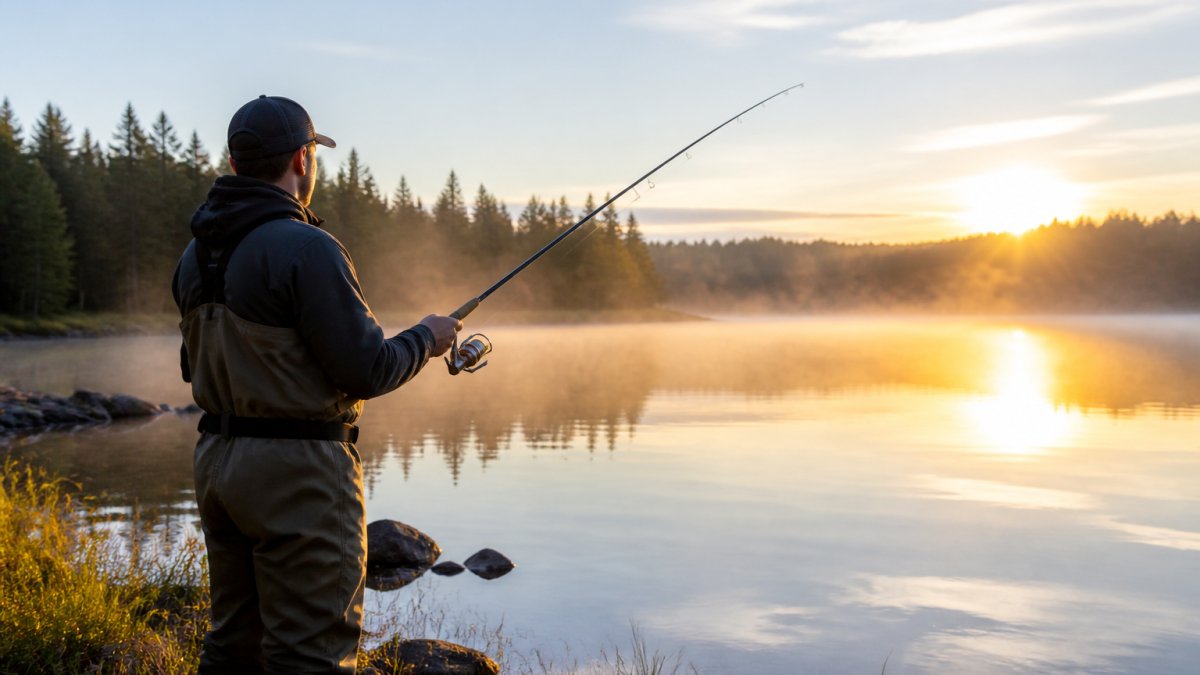
A spinning reel with a medium action rod handles most freshwater situations: the open design makes casting easier, and the medium action gives sensitivity without complexity.
The Fishing for Fun Spinning Combo delivers exactly what beginners need without unnecessary complexity. At $119, it's built for catfish and other hard-fighting freshwater species. The 7'6" medium-heavy rod uses S-Glass and E-Glass construction for dependable strength, while the live baitrunner reel allows fish to take bait naturally before you engage, a feature that matters when you're learning. The combo comes pre-spooled with 20 lb monofilament line, so you're genuinely ready to fish immediately.

The EVA foam handle stays secure when wet, the glow-in-the-dark tip helps you see bites in low light, and the 5+1 ball bearing reel system delivers reliable control.
Don't buy based on price alone, a reel that locks up or a rod that feels weak ruins the experience and kills motivation.
Terminal Tackle Essentials: Hooks, Weights, and Swivels
Terminal tackle is where your line meets the fish. Get it wrong and your line breaks, your bait sinks wrong, or your lure tangles.
The basic setup includes three components: hooks for bait or lures, weights for controlling depth, and swivels for preventing line twist.
Split shot weights adjust depth without retying, and barrel swivels reduce line twist. These components form the foundation of any freshwater fishing rig.
The 188-Pieces: Portable Fishing Accessory Kit with Tackle Box includes everything you need: sinker slides, crossline barrel swivels, fishing springs, jig hooks, rolling swivel snaps, and more. At $25, it's built for anglers who want variety without guessing. The kit comes in a tackle box with multiple compartments and translucent covers, so you can see what you have and grab what you need quickly. The corrosion-resistant materials handle both freshwater and saltwater, though you'll focus on freshwater to start.

Terminal tackle is cheap insurance. Spending a few dollars on quality hooks and swivels prevents lost fish and broken lines that cost you time and frustration. Stock your tackle box with variety, you'll use different sizes and styles depending on what species you're targeting and what conditions you face.
Must-Have Tackle Box Items and Organization
You need a tackle box durable enough for truck beds, waterproof enough to protect contents, and organized enough to find gear quickly.
The LUNKERBAG Tackle Storage System is built for serious anglers who demand durability. At $59.95, it holds 2-3 tackle trays and includes a spacious top zippered compartment for extras. The heavy-duty rip-stop polyester with double-reinforced stitching outlasts cheaper alternatives. The no-slip, abrasion-resistant bottom stays put on boat decks, and the adjustable padded shoulder strap keeps it comfortable for all-day trips. TPU corrosion-resistant zippers and fasteners mean this bag performs season after season without rust or degradation.
Organize by category: hooks, weights, and swivels in separate sections. Use compartments or bags to group similar items. This five-minute setup saves hours on the water.
| Item Category | Purpose | Storage Tip |
|---|---|---|
| Hooks (various sizes) | Rigging live bait and lures | Compartment with dividers |
| Weights and sinkers | Controlling depth and drift | Small sealed bag or section |
| Swivels and snaps | Preventing line twist | Plastic organizer with slots |
| Line and leaders | Connection and strength | Spools in dedicated section |
| Lures and soft plastics | Attracting fish | Separate trays or boxes |
The Fishing Kit offers a compact alternative with hooks, sinkers, swivels, and lures in a waterproof case, lightweight and portable for quick trips.

How to Rig Worms for Bass Fishing
Rigging worms correctly is fundamental to freshwater fishing success. A poorly rigged worm won't move naturally or stay on the hook.
The most common method is the Texas rig, which keeps the worm weedless and allows natural movement. Here's how to set it up:
-
Thread your line through a cone-shaped slip sinker. The weight slides freely on your line, allowing the bass to take the worm without feeling resistance.
-
Tie a small barrel swivel to the end of your main line. This prevents the sinker from sliding off and reduces line twist.
-
Attach a 12-18 inch leader of monofilament or fluorocarbon to the swivel. Fluorocarbon is less visible underwater, which matters in clear water.
-
Tie a hook to the end of your leader using a uni knot or palomar knot. These knots are reliable and hold under pressure. The uni knot works with any line type; the palomar knot is faster once you practice it.
-
Insert the hook point through the head of the worm, then thread it back out about 1/4 inch down the body. This keeps the worm weedless by hiding the hook point.
-
Push the hook point back through the worm body slightly lower, creating a curve. This prevents the worm from sliding down the hook during casting and keeps it moving naturally.
The worm should hang straight and move freely. If bunched or twisted, rethread it to mimic a living creature.
Cast near structure, fallen trees, rocks, weeds, dock pilings. Let the rig sink, then retrieve slowly with occasional twitches. Patience matters; bites come on the fall or retrieve.
The Core Series Line Snips make trimming your leader and main line clean and fast. At $24.99, they cut monofilament, fluorocarbon, and braided line without fraying. Compact enough for a pocket, they're essential when you're retying rigs on the water.
Clothing, Safety Gear, and Personal Protection
Freshwater fishing exposes you to sun, wind, and water.
A fishing shirt with UPF 50+ sun protection is essential. The Men's Seacliff 2.0 S/S UV Vented Fishing Shirt features lightweight microfiber rip-stop fabric, vented design for cooling, moisture-wicking mesh, and a tri-fold collar for neck protection.
Water shoes with drainage and grip prevent slips on wet rocks and muddy banks. The Quick Dry Men Sneakers feature breathable mesh, drainage holes, anti-slip soles, and anti-collision toe protection.
Polarized sunglasses cut water glare and let you see beneath the surface, helping you spot fish and structure.
A personal flotation device (PFD) is essential if you're fishing from a boat or wading in deep water.
| Protection Type | Purpose | Why It Matters |
|---|---|---|
| UPF 50+ shirt | Sun protection | Prevents sunburn and skin damage from extended water exposure |
| Polarized sunglasses | Glare reduction and visibility | Lets you see fish and underwater hazards |
| Water shoes with grip | Slip prevention | Protects against falls on wet, slippery surfaces |
| Hat or cap | Face and scalp protection | Reduces sun damage and improves visibility |
| PFD (if boating/wading) | Water safety | Essential for preventing drowning |
Bring a basic first aid kit: bandages, antibiotic ointment, pain relief, and blister treatment. Hook wounds happen.
Tools for Handling Fish: Pliers, Nets, and Dehookers
A landing net brings fish to hand without breaking your line. The Foldable Fishing Net With Aluminum Alloy Rod EVA Handle folds for easy transport, features a sturdy aluminum handle, hook-safe hexagonal mesh, and a belt clip for convenient access.
Needle-nose pliers remove hooks safely by gripping the eye and backing the barb out. Choose stainless steel to prevent rust.
The Core Series Straight Handle Dehooker features a 316 stainless steel shaft, anodized aluminum handle, and secure grip for safe hook removal from medium-sized fish like bass and walleye.
The Freshwater Fishing Multi-function Pliers combine hook removal, wire cutting, and fish handling with an ergonomic non-slip handle and sharp cutting tip.
Have these tools within arm's reach while fishing. A net on a carabiner clip attached to your belt keeps it accessible. Pliers and dehookers fit in a small sheath or pouch on your tackle bag.
Fishing License Requirements by State
A fishing license is required to fish in freshwater. Requirements vary, so check before you go.
Many states offer annual and short-term licenses.
You'll find license information on your state's fish and wildlife agency website.
Some waters have special regulations: catch-and-release only, barbless hooks required, or species-specific limits.
Check your state's regulations for:
- License type and cost
- Bag limits (how many fish you can keep)
- Size limits (minimum and maximum length)
- Seasonal closures for specific species
- Special gear restrictions (baitless only, artificial lures only, etc.)
These rules exist for good reason.
Building your freshwater fishing gear foundation doesn't require spending thousands.
Frequently Asked Questions
What do I need to start freshwater fishing as a beginner?
Begin with a medium-action spinning rod and reel combo, monofilament line, terminal tackle (hooks, swivels, split shot weights), a tackle box, and a landing net. A basic kit like the Fishing Kit or 188-Pieces Portable Fishing Accessory Kit covers most essentials in one compact package. Add polarized sunglasses, a UV-protective shirt, and quick-dry water shoes for comfort and safety on the water.
How do I choose the right fishing rod for freshwater?
Select a medium-action spinning rod between 6 and 7 feet long, this length balances casting distance and control for most freshwater species. Medium action provides enough sensitivity to feel bites without being too delicate for beginners. The Fishing for Fun Spinning Combo is pre-spooled with 20 lb monofilament line and includes a comfortable EVA foam handle, making it ideal for learning proper technique.
What is the best way to rig worms for bass fishing?
Thread the worm onto a hook through the head using a uni knot or palomar knot for a secure connection. Cast near cover like fallen trees or weeds where bass hide, and retrieve slowly with occasional pauses to trigger strikes.
Do I need a fishing license, and how do I get one?
Yes, fishing license requirements vary by state. Licenses are typically available online through your state's wildlife or natural resources department website, or at local sporting goods retailers.
What safety gear should I bring on a fishing trip?
Wear a UV-protective fishing shirt with UPF 50+ rating like the Men's Seacliff 2.0 to prevent sun damage during long hours on the water. Polarized sunglasses reduce glare and protect your eyes. Quick-dry water shoes with anti-slip soles provide grip on wet surfaces and protect your feet. Bring a first-aid kit for minor cuts or hook injuries, and always wear a personal flotation device if fishing from a boat.