

Practical Survival Tools for Preppers: 2026 Gear List
Table of Contents
- Quick Comparison: Practical Survival Tools at a Glance
- How We Chose These Survival Tools
- The Survival Kit List: Build by Scenario, Not by Hype
- Emergency Kit Essentials: Water, Food, First Aid, and Light
- Survival Gear for Beginners: The Four Tools That Do the Most Work
- Prepper Supplies Checklist: Budget Tiers and What to Skip
- Maintenance, Expiration, and Replacement Schedules
- Conclusion
- Frequently Asked Questions
Last Updated: October 18, 2026
Quick Comparison: Practical Survival Tools at a Glance
Practical survival tools for preppers in 2026 should solve problems you will actually face, not problems you imagine. Every item below covers water, food, first aid, light, fire, shelter, or navigation, and earns its place by doing more than one job.
Here is the short version before the detail:
| Tool | Category | Price | Best For |
|---|---|---|---|
| VOTAGOO 60-in-1 Survival Gear Kit | All-in-one kit | $42.99 | Car, daypack, or starter kit |
| WSK Elite 72-Hour Rolling Bag | Full evacuation kit | $162.99 | Households that may need to leave fast |
| WSK 72-Hour Hurricane Kit with Backpack | Portable evacuation kit | $160.99 | Carry-out evacuations |
| Multistage Outdoor Water Purifier | Water | $67.96 | Long-term drinking water |
| Mora Garberg Survival Knife | Cutting | $114.99 | The one knife you keep for years |
| FireStorm X-Large Ferro Rod | Fire | $7.95 | Backup ignition in any weather |
| Compass Navigation Kit | Navigation | $46.95 | Anyone who travels off-trail |
| Tact Bivvy 2.0 Emergency Sleeping Bag | Shelter and warmth | $24.97 | Cold, wet, unexpected nights |
| Folding Shovel Multi-tool | Tools | $25.00 | Vehicle and basecamp kits |
| Pop Up Pocket Light 3.0 | Lighting | $9.99 | Every bag, every room |
Below, we break down how we chose these survival tools, how to build a survival kit list by scenario, and what to skip.

How We Chose These Survival Tools
Our filter was simple: if a tool only works in one narrow situation, it stays on the shelf. Multi-function beats single-purpose, and reliability beats features.
We weighted four criteria:
- Redundancy value. Does it back up something critical, like water, fire, or light?
- Failure risk. Simple mechanical tools outrank anything that needs a charge or a battery.
- Weight and packability. Gear you leave behind because it is heavy is gear you do not own.
- Skill demand. A tool you can use under stress beats a tool that requires practice you have not done.
The best survival tools are boring: a ferro rod that sparks wet or dry, a full-tang knife, a light that fits in a pocket. Those three cover more emergencies than a bag of specialty items.
The Survival Kit List: Build by Scenario, Not by Hype
A survival kit list should start with one question: what are you preparing to do? Shelter in place, evacuate by car, or walk out with what you can carry? Each answer produces a different kit; mixing them produces a bag too heavy to move.
Here is how we would split it:
| Scenario | Duration | Core Focus | Starting Point |
|---|---|---|---|
| Home shelter-in-place | 3-14 days | Water, food, light, heat | Bulk water storage plus the WSK Hurricane Kit |
| Vehicle evacuation | 72 hours | Portability, warmth, fuel | WSK Elite Rolling Bag |
| Carry-out bug-out | 72 hours | Weight, water, fire | Backpack kit plus purifier and ferro rod |
| Day hike or commute | 24 hours | Signaling, warmth, light | VOTAGOO 60-in-1 plus Pop Up Pocket Light |
| Urban apartment | 3-7 days | Space, security, water | Compact kit plus stored water |
Emergency Kit Essentials: Water, Food, First Aid, and Light
Emergency kit essentials come down to four categories, and water is the one most people underestimate.

The Multistage Outdoor Water Purifier handles that job with four levels of physical filtration, a UF filter core that removes sediment and rust while keeping beneficial minerals, and a rated filter capacity of 3000 liters.
Food is next: shelf-stable bars and a manual can opener cover the gap, and the WSK kits include food and water with a five-year shelf life. First aid means bandages, gauze, tape, and a guide.
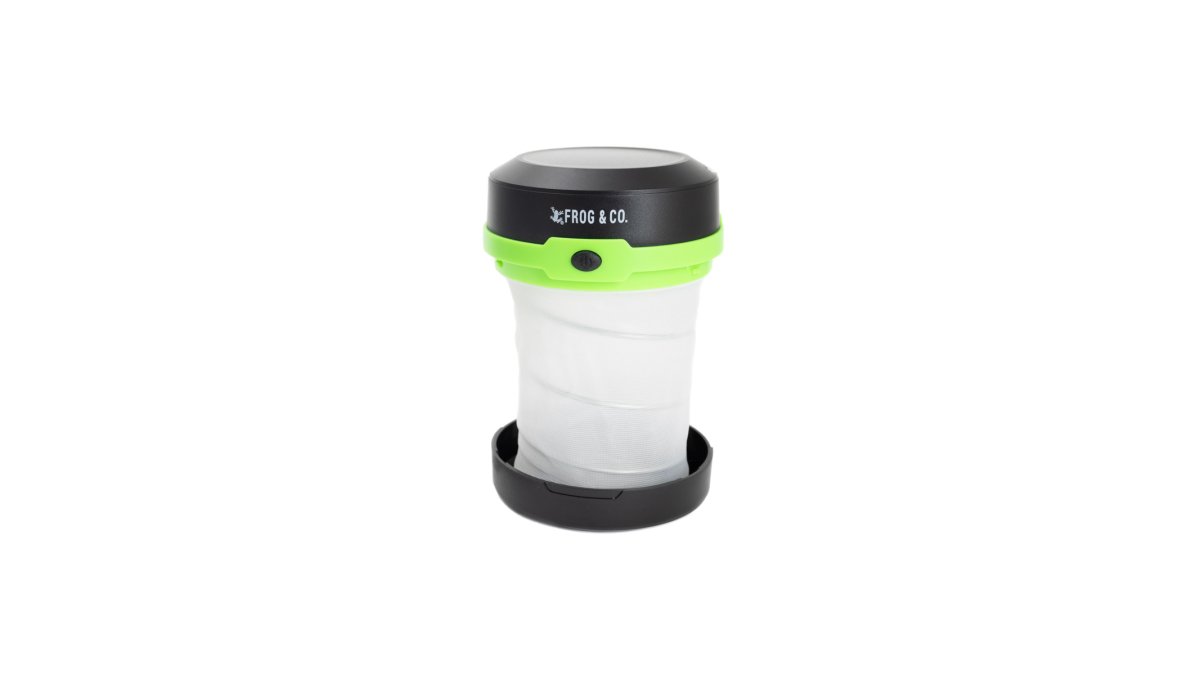
The Pop Up Pocket Light 3.0 covers both. It collapses to hockey-puck size, extends into a lantern, runs 3-6 hours per charge, and includes High, Low, SOS, and flashlight modes.
Survival Gear for Beginners: The Four Tools That Do the Most Work
Survival gear for beginners should be four tools, not forty. If you are starting from zero, buy these first and skip everything else until you have practiced with them. Each entry pairs the tool with the practice that makes it real.
-
A fixed-blade knife. The Mora Garberg Survival is a full-tang blade with a Scandi grind that sharpens easily in the field. The spine is ground square for use with a fire steel, and the sheath includes an integrated ferro rod and diamond sharpener. At 6 oz. bare and 9.6 oz. in the sheath, it carries without complaint. Practice: carve a few tent stakes and a feather stick from dry softwood before you trust the edge.
-
A fire starter. The FireStorm X-Large 1/2" Ferro Rod throws sparks up to 5500 degrees and is rated for roughly 18,000 strikes. It works wet, and the braided lanyard holds 4 feet of 7-strand 550 paracord. Practice: build one small fire each season using only the rod and natural tinder, and keep your tinder dry in a sealed bag.
-
A light. The Pop Up Pocket Light covers lantern, flashlight, and SOS signaling in one pocket-sized unit. Practice: run it down and recharge it once a quarter so you know the real runtime on High versus Low.
-
A water filter. The Multistage purifier turns questionable water into drinking water without tablets or fuel. Practice: filter a liter from a silty source, then backflush per the instructions so you understand how flow rate drops as the core loads up.
Build the habit with a quarterly skills drill: one fire, one liter filtered, one light recharge, one knife touch-up. Fifteen minutes four times a year surfaces problems (a dull edge, a weak battery, a clogged filter) at home instead of in the dark.
Household members change the four-tool rule. With children, older adults, or pets at home, add their needs to the drill: a child's comfort item and a small headlamp they can operate, a week of daily medication with a copy of the prescription, and a leash plus folding bowl for a pet.
VOTAGOO® Emergency Survival Gear Kits 60 in 1 →
Prepper Supplies Checklist: Budget Tiers and What to Skip
A prepper supplies checklist should match your budget, not a fantasy loadout. Build in three tiers, each standing on its own until you can afford the next.
Tier 1: Starter, under $50. The VOTAGOO 60-in-1 Survival Gear Kit at $42.99 covers fire-starting, navigation, shelter-building, and signaling in a waterproof ABS box weighing 1.11 pounds. Add the Pop Up Pocket Light at $9.99 and you have a credible daypack kit.
Tier 2: Serious, $100-$200. Add the Mora Garberg at $114.99, the Multistage Water Purifier at $67.96, and the FireStorm ferro rod at $7.95. This tier handles water, fire, cutting, and light without depending on batteries.
Tier 3: Full evacuation, $160-$165. The WSK Elite 72-Hour Emergency Evacuation Survival Rolling Bag at $162.99 is a complete kit with food, water, first aid, shelter, tools, lighting, and hygiene in a rolling bag. The WSK 72-Hour Hurricane Emergency Survival Kit with Backpack at $160.99 packs similar coverage into a red hikers backpack with a purification bottle rated to produce up to 100 gallons of clean drinking water.

What to skip: single-purpose gadgets, oversized fixed kits you cannot lift, and anything that needs a charger you do not have. Add the Compass Navigation Kit at $46.95 and the Folding Shovel Multi-tool at $25.00 only when you have the basics covered.
Maintenance, Expiration, and Replacement Schedules
Maintenance is where most kits quietly fail. Food and water in the WSK kits carry a five-year shelf life, so mark the purchase date on the bag and check it every six months.
Here is the schedule we recommend, with the inspection that goes with each line:
| Item | Check Frequency | What to Inspect | Replace When |
|---|---|---|---|
| Food and water rations | Every 6 months | Pouch integrity, swelling, date stamp | Near printed date or any seal damage |
| Purification tablets | Every 6 months | Seal, color, loose tablets | Past date or damaged seal |
| Batteries and rechargeable lights | Every 3 months | Charge retention, swelling, corrosion | Weak output, swelling, or terminal corrosion |
| First aid supplies | Every 6 months | Sterile seals, adhesive tack, missing items | Opened, expired, or missing |
| Ferro rod and striker | Annually | Rod wear, lanyard, striker edge | Worn rod or lost striker |
| Knife edge and sheath | Every use | Edge chips, sheath retention, rust | Chipped edge or loose sheath |
| Stored water | Every 6 months | Container, cap seal, clarity | Past rotation date or any leak |
Ready.gov emergency kit guidance recommends reviewing your kit at least once a year and replacing expired items, which lines up with the six-month cycle we suggest for anything that spoils.
A few habits make the table usable. Date every item with a marker when it goes into the bag.
Household-specific items need their own line on the schedule. Rotate medications so the kit always holds a current supply, with a copy of the prescription and a dosing note.
Practice belongs on that schedule too. Skills fade faster than gear. Start one fire with the ferro rod each season and run one water filter batch. A kit that is inspected but never used is only half-maintained.
Conclusion
The hardest part of preparedness is not buying gear. It is building a kit you understand, keeping it maintained, and practicing with it before the night you need it. Start with water, fire, light, and a knife, then expand by scenario and budget.
At Outdoor Wilderness Supply, we stock the tools that survive that test: multi-functional survival kits, a full-tang Mora Garberg, a 3000-liter water purifier, and lighting that folds into a pocket.
Get started with Outdoor Wilderness Supply and build a kit you will actually carry, check, and trust.
Frequently Asked Questions
What are the top 10 items a prepper must have?
Start with water storage and a filter, emergency food plus a manual can opener, a first aid kit, a flashlight or headlamp, an emergency radio, backup power, a fire starter, a fixed-blade knife, duct tape, and shelter. The VOTAGOO 60-in-1 kit at $42.99 covers several of these in one 1.11-pound box, which makes it a reasonable starting point before you add water and food in bulk.
What should every beginner include in a survival kit?
Beginners need four things that work without batteries or fuel: a way to make fire, a way to get clean water, a cutting tool, and shelter. The FireStorm ferro rod at $7.95 delivers roughly 18,000 strikes and works wet. Pair it with the Multistage Outdoor Water Purifier at $67.96 and the Mora Garberg at $114.99, then add a Tact Bivvy at $24.97. Practice with each tool before you rely on it.
How often should you inspect and replace items in a survival kit?
Check your kit every six months and after any trip where you opened it. Rotate food and water pouches before their 5-year shelf life ends, replace expired first aid supplies, and test flashlights and radios. Ferro rods and quality knives like the Mora Garberg last for years with basic care. Write the inspection date on a card inside the kit so you never guess.
What should you stock in an emergency kit for a power outage?
Light, power, and information matter most when the grid goes down. The Pop Up Pocket Light 3.0 at $9.99 runs 3 to 6 hours per charge, has an SOS mode, and can push enough power to your phone for one call or text. Add a hand-crank or battery radio, spare batteries, and a power station. Keep a headlamp per person so your hands stay free.
Which survival tools are most useful for water, fire, shelter, and repairs?
For water, a filter with a stated capacity such as the Multistage purifier at 3000 liters. For fire, a ferro rod plus waterproof matches. For shelter, a bivvy or tarp with paracord. For repairs, duct tape and a multi-tool. The Folding Shovel Multi-tool at $25.00 combines a shovel, saw, knife, and whistle in a 2-pound package that fits in a vehicle or pack.